Leave Your Message
0%

So, why should you consider Bamboo Sunglasses for your brand? Well, the eyewear world is getting pretty crowded, right? Buyers aren’t just checking out lens colors or frame shapes anymore. According to Grand View Research, the global eyewear market was worth about USD 115.9 billion in 2022, and it’s still on the rise. That means brands that show a genuine story about their materials can really stand out. And bamboo? It’s got this warm, natural vibe that sets it apart from the usual acetate or plastic frames. You can actually feel the grain and texture in your hand, and each pair sort of has its own little character because of that. Pretty cool, huh?

But here’s the thing: choosing a ‘natural’ material doesn’t automatically mean you’re eco-friendly. Never assume that. The United Nations Environment Programme encourages us to think about the entire life cycle of a product—how it’s sourced, made, and shipped. So, if you’re using bamboo, it’s worth checking where it comes from, what kind of adhesives and coatings are used, how waste is managed, and even how far the materials travel. A light frame might save on shipping, but the manufacturing process still matters. If you have FSC certification, that can help prove you’re committed to responsible forestry—just make sure you have the proper documentation. Saying things like ‘eco-friendly’ without backing it up can make customers skeptical.

And yeah, looks are important, but performance is just as critical. The ISO 12312-1 standard covers all the basic requirements for sunglasses—things like UV protection, lens quality, frame strength, and safe chemicals. It’s a good idea to ask for independent testing results so your audience knows your product actually performs. According to The Vision Council, buyers want eyewear that combines style, function, and personal expression. That’s what makes Bamboo Sunglasses a cool choice—assuming you’re honest about what the material is, share the test results, and avoid making exaggerated eco-promises. Also, don’t be surprised if each pair has some natural color variations or grains—that’s part of the charm, but it does mean you need quality control to keep things consistent. That’s all part of the story, but it has to be handled carefully.
Why Choose Bamboo Sunglasses for Your Brand?

Bamboo Sunglasses Defined: Materials, Components, and Brand Uses

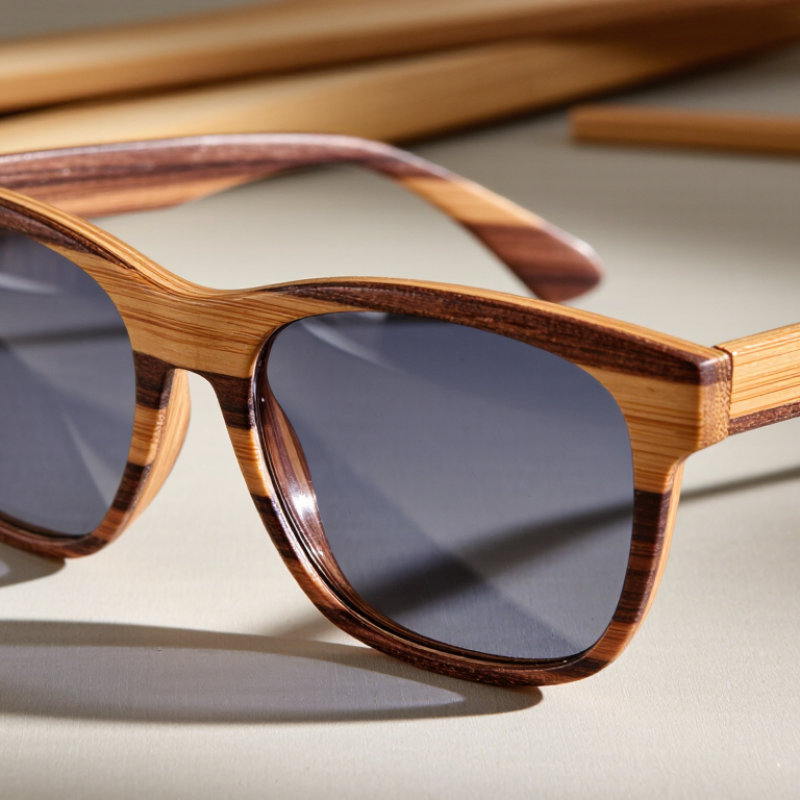
Bamboo sunglasses are eyewear frames made from selected bamboo strips, sheets, or laminated fibers. The material feels warm, light, and slightly textured in the hand. Mature bamboo usually offers stronger structure and more consistent grain. During production, makers dry, shape, sand, and seal each component carefully. Good frames should have smooth edges, balanced temples, and clean hinge alignment. Bamboo is not automatically sustainable. Harvesting methods, adhesives, coatings, and transport still require honest evaluation.

This detail matters.

A complete pair includes more than the visible frame. Bamboo temples connect to front rims through metal hinges or reinforced joints. Lenses may be polarized, tinted, or fitted with UV protection, depending on the product specification. Nose pads can be bamboo, silicone, or another compatible material. For Man Sunglasses, wider temple measurements and deeper lens shapes may improve comfort.

Brand buyers should request material records, coating details, lens test information, and sample measurements. Ask for evidence.

Bamboo sunglasses can support a brand’s use of natural textures, practical storytelling, and tactile packaging. Product pages should explain the frame material without overstating environmental benefits. Packaging may use paper inserts, fabric cases, or reusable boxes with clear care instructions.

During sample checks, small differences in grain often appear between pairs. That variation can add character, but it may also look inconsistent in retail displays. A reliable supplier should define acceptable color, texture, and finishing limits before production.

Early samples may reveal weak hinge areas or uneven sealing. Those findings deserve attention, not excuses.

Growth Evidence: Bamboo Reaches 91 cm per Day (Guinness World Records)

Why Choose Bamboo Sunglasses for Your Brand?

Bamboo offers a compelling growth story. Guinness World Records reports that certain bamboo species can grow up to 91 centimetres in 24 hours. This figure is remarkable, but it needs context. Growth depends on species, climate, soil, and water. Bamboo is not automatically sustainable.

In eyewear development, I have found that material selection is only one part of the decision. Frame durability, hinge strength, surface finishing, and end-of-life options also matter. Bamboo can create a warm texture and a lighter visual identity. However, adhesives and coatings may reduce recyclability. Suppliers should provide traceable sourcing records and test reports for moisture resistance, flexing, and skin contact safety.

Consumer demand supports careful material choices. The IBM Institute for Business Value reported that 57% of surveyed consumers were willing to change purchasing habits to reduce environmental impact. Grand View Research also identifies sustainability as an important influence in the global eyewear market. These reports suggest opportunity, not guaranteed sales. The story must be supported by evidence.

Tips: Request species information, harvest location, and treatment details. Ask for laboratory testing, not vague environmental claims. Compare bamboo frames with conventional materials under identical stress tests. A 91-centimetre growth rate sounds powerful. It does not replace responsible design.

Sustainability Metrics: Apply ISO 14040 Life-Cycle Assessment Principles

Choosing bamboo sunglasses for a brand requires more than a natural-looking frame. ISO 14040 principles provide a disciplined way to examine environmental performance. The study should define a clear goal and scope before materials are compared. For a Sunglasses Men collection, the functional unit might be one wearable pair used for two years. That detail prevents vague claims about “eco-friendly” products.

A practical life-cycle inventory records bamboo cultivation, fertilizer, water, cutting, drying, and transport. It also tracks acetate lenses, metal hinges, coatings, packaging, factory electricity, and production waste. Supplier invoices and measured energy readings are stronger evidence than assumptions. When primary data is unavailable, documented secondary datasets can fill gaps. However, regional electricity mixes and transport distances can change results significantly. Small details matter.

Impact assessment may examine climate change, water use, land use, and resource demand. Interpretation should test hotspots and uncertainty, not hide inconvenient findings. Bamboo may lower one burden but increase drying energy or shipping distance. Our initial estimate may be incomplete. That is a reason to revise it. A transparent report should state cut-off rules, allocation choices, data years, and end-of-life assumptions. Recycling is not automatic. Frames may contain mixed materials that complicate recovery. Sharing these limits helps buyers, designers, and compliance teams judge the product responsibly.

Performance Checks: UV400 Lenses, Hinges, Fit, and ISO 12312-1 Standards

Why Choose Bamboo Sunglasses for Your Brand?

Bamboo frames offer a warm, tactile alternative to conventional materials. Yet appearance cannot replace performance. UV400 lenses should block ultraviolet radiation up to 400 nanometers. Ask for independent test results, not only printed packaging claims. Polarization may reduce glare, but it does not automatically prove UV protection. That distinction matters.

Hinges deserve close inspection. Open and close each temple repeatedly, checking for looseness, uneven tension, or sharp movement. Small screws should remain secure after regular handling. A smooth hinge can still fail under daily stress. That is an easy detail to overlook.

Frame fit also affects protection and comfort. The bridge should rest without pressure, while the temples should stay firm without pinching. Different face shapes may require several frame sizes.

ISO 12312-1 provides requirements for sunglasses and sunglare filters intended for general use. A reliable supplier should provide traceable testing from a competent laboratory. Check lens transmittance, optical quality, impact performance, and labeling details.

Bamboo can vary in grain, moisture response, and finishing quality. Therefore, inspect multiple samples from the same production batch. One sample is not enough. A careful quality process may reveal small inconsistencies before customers do. That extra checking supports a more credible product claim.

Market Potential: Interpret Eyewear Data from Grand View Research

Why Choose Bamboo Sunglasses for Your Brand?

Grand View Research estimates the global eyewear market reached USD 115.90 billion in 2023. Its report projects an 8.1% compound annual growth rate from 2024 to 2030. This signals strong room for differentiated materials, not automatic success. Bamboo sunglasses can support a tactile story through visible grain, light frames, and warm natural color. Customers can feel the texture before wearing them. That experience may improve product memorability.

Yet bamboo is not a magic solution. Quality varies with treatment, moisture control, hinge design, and finishing. A poorly sealed frame may warp in humid conditions. I have seen material-led products lose credibility when their durability claims stayed vague. Use supplier test records, coating specifications, and clear care instructions. Also compare weight, lens protection, and repair options against acetate and metal alternatives. Red Sunglasses made with bamboo can create a striking contrast, but color stability needs testing under heat and sunlight.

Tips: Build a small pilot collection first. Test frame comfort across several face shapes. Measure returns, breakage, and customer comments. Grand View Research data shows market momentum, but it does not guarantee demand for every design. Review search behavior, retail feedback, and regional climate before scaling. This part is easy to underestimate. A responsible material story needs evidence, not decoration.

Responsible Sourcing: Verify FSC Certification and Supplier Traceability

Why Choose Bamboo Sunglasses for Your Brand?

Bamboo can create lightweight frames with a warm, natural texture. Yet the material alone does not prove responsible sourcing. The Forest Stewardship Council reports more than 160 million hectares of certified forests worldwide. That figure shows the scale of certification, but not every supplier is equally transparent.

Ask suppliers for a valid FSC certificate and license code. Check both through the FSC public certificate database. The certificate should cover bamboo products, relevant processing sites, and the claimed supply chain. Request purchase invoices, shipment records, and production addresses. These details can expose gaps between a certified raw-material trader and the factory making the frames.

Traceability should follow the bamboo from harvesting to cutting, lamination, finishing, and packaging. FSC Chain of Custody records help connect those steps. FSC Mix and FSC 100% claims should also be clearly distinguished. The FAO’s Global Forest Resources Assessment 2020 found that the world lost about 420 million hectares of forest between 1990 and 2020. Bamboo is not automatically harmless, especially when land conversion, chemicals, or poor labor controls remain unclear.

Be cautious here.

A certificate is evidence, not perfection. Review its scope, expiry date, material percentage, and audit findings. Keep written records and update supplier checks annually. Small inconsistencies matter. They may reveal weak traceability before your sunglasses reach customers.

Brand Selection: Compare MOQ, Customization, Packaging, and Total Cost

Bamboo sunglasses can give a brand a warm, natural visual identity. Yet product appeal should not replace careful supplier comparison. MOQ directly affects inventory risk and cash flow. Ask whether the MOQ covers one design, one color, or the entire order. A trial quantity of 100 to 300 pieces may protect smaller budgets. However, lower quantities often bring higher unit costs.

Customization requires more than adding a logo. Confirm frame dimensions, lens tint, hinge style, engraving depth, and surface finish. Request a physical sample before approving mass production. A clear approval sheet should show artwork size, color references, and acceptable tolerances. From practical sourcing experience, small details can change the final appearance. A rushed sample can create expensive corrections later.

Packaging also shapes total cost. Compare a kraft box, cotton pouch, cleaning cloth, and protective sleeve separately. Ask for packaging dimensions because larger cartons can increase freight charges. Your cost worksheet should include samples, tooling, inspection, shipping, duties, and possible rework. The cheapest quotation may not be the lowest final cost. For a Sunglasses Man building a focused collection, consistent packaging can improve shelf presentation. I once underestimated carton volume, and the freight difference was noticeable. That mistake made the comparison process more disciplined.

Why Choose Bamboo Sunglasses for Your Brand?

This benchmark compares typical private-label sourcing scenarios. Stock styles generally require the lowest MOQ and total cost, while full customization offers the highest design flexibility but usually requires larger orders and a higher unit budget. Packaging costs depend on materials, printing, and finishing requirements.

Indicative small-batch planning benchmarks only; final figures vary by supplier, order volume, materials, printing, and shipping terms.

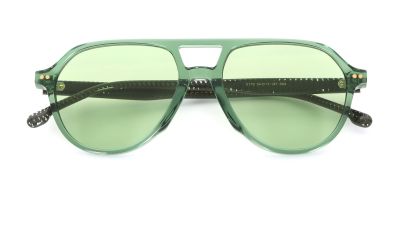
Wholesale Guide: Nylon Lens Aviator Sunglasses with Transparent Green Acetate Frames | OEM/ODM Direct Factory Supply

Wholesale buyers seeking a distinctive yet versatile eyewear style can explore nylon lens aviator sunglasses with transparent green acetate frames. Designed with a classic pilot silhouette and a unisex appeal, these sunglasses combine retro character with modern everyday practicality. The transparent green acetate frame is carefully polished to create a smooth, refined feel, while its durable construction offers resistance to deformation and regular wear. Lightweight nylon lenses provide reliable sun protection for commuting, outdoor travel, and fashion-focused styling.

Direct factory supply supports flexible purchasing for brands, retailers, distributors, and independent businesses. OEM and ODM services are available for bulk acetate frame projects, including customized colors, details, packaging, and production requirements. A small MOQ helps emerging buyers test new designs, while ready stock supports faster order fulfillment for larger wholesale programs. Free sample production allows buyers to review the frame quality and overall appearance before placing a bulk order. With worldwide shipping options, this aviator style can serve diverse markets looking for fashionable, durable, and customizable wholesale sunglasses.

FAQS

Why should a bamboo sunglasses collection use life-cycle assessment principles?

They create a clear method for comparing materials across production, use, transport, and disposal.

What functional unit can measure environmental performance?

Use one wearable pair designed for two years.

Which information belongs in the life-cycle inventory?

Record cultivation, fertilizer, water, cutting, drying, transport, electricity, packaging, and production waste.

What should happen when supplier data is missing?

Use documented secondary datasets with clear regions and data years.

Which environmental impacts deserve attention?

Examine climate change, water use, land use, and resource demand.

How can a report handle uncertainty honestly?

State cut-off rules, allocation choices, data years, and end-of-life assumptions.

What quality checks are important for bamboo frames?

Test moisture control, sealing, hinge strength, coating performance, and heat exposure.

How can a small pilot collection test market potential?

Compare comfort across face shapes and measure returns, breakage, and customer comments.

What product details should buyers receive?

Provide care instructions, lens protection information, weight comparisons, and repair options.

Conclusion

Bamboo Sunglasses combine a renewable frame material with practical eyewear design, making them an appealing option for brands seeking distinctive products and more responsible sourcing. Bamboo can grow as fast as 91 cm per day under suitable conditions, but its sustainability should be evaluated through ISO 14040 life-cycle assessment principles, considering cultivation, processing, transport, use, and end-of-life impacts rather than relying on growth speed alone.

Product quality remains essential. Brands should check UV400 lens protection, hinge durability, comfortable fit, and alignment with ISO 12312-1 performance requirements. Market research indicates continued opportunities in eyewear, especially for products that combine style, function, and environmental positioning. Responsible selection also requires FSC certification where applicable, transparent supplier traceability, and careful comparison of minimum order quantities, customization options, packaging, and total cost. This balanced approach helps turn bamboo eyewear into a credible, well-designed, and commercially practical product choice.

Ethan

Ethan

Ethan is a seasoned marketing professional with a profound expertise in the eyewear industry. With a strong background in technology and manufacturing, he has been instrumental in highlighting the innovative approaches and precision engineering that define the products at Yintai Eyewear. Ethan is......
Previous 10 Best Photochromic Sunglasses for Wholesale Buyers?