Global buyers are paying closer attention to materials, traceability, and product performance. The global eyewear market is projected to reach approximately USD 197.2 billion by 2030, according to Grand View Research’s Eyewear Market Size, Share & Trends Analysis Report. Sustainable products are gaining visibility within this expansion. Yet, market data rarely separates Bamboo Sunglasses from broader eyewear categories. That gap matters.
Dr. Walter Liese, a leading bamboo researcher, wrote, “Bamboo is a grass, but it has the properties of wood.” This simple observation explains both its appeal and its limitations. Bamboo can create lightweight frames with visible grain and a warm, tactile finish. However, moisture control, lamination quality, coating stability, and hinge strength require careful testing. A beautiful frame is not automatically a durable one.
This guide examines top Bamboo Sunglasses manufacturers for global buyers. It considers factory experience, material sourcing, UV400 lens testing, production capacity, minimum order quantities, and export documentation. It also reviews practical details, such as saltwater exposure, temple flexibility, packaging protection, and replacement-part support. The Vision Council’s consumer research shows that sunglasses remain strongly connected with outdoor use and eye protection. Style alone is not enough. Buyers should request test reports and sample approval before placing larger orders. Even experienced suppliers may present incomplete sustainability evidence. That point deserves attention. Responsible sourcing depends on verification, not attractive claims.
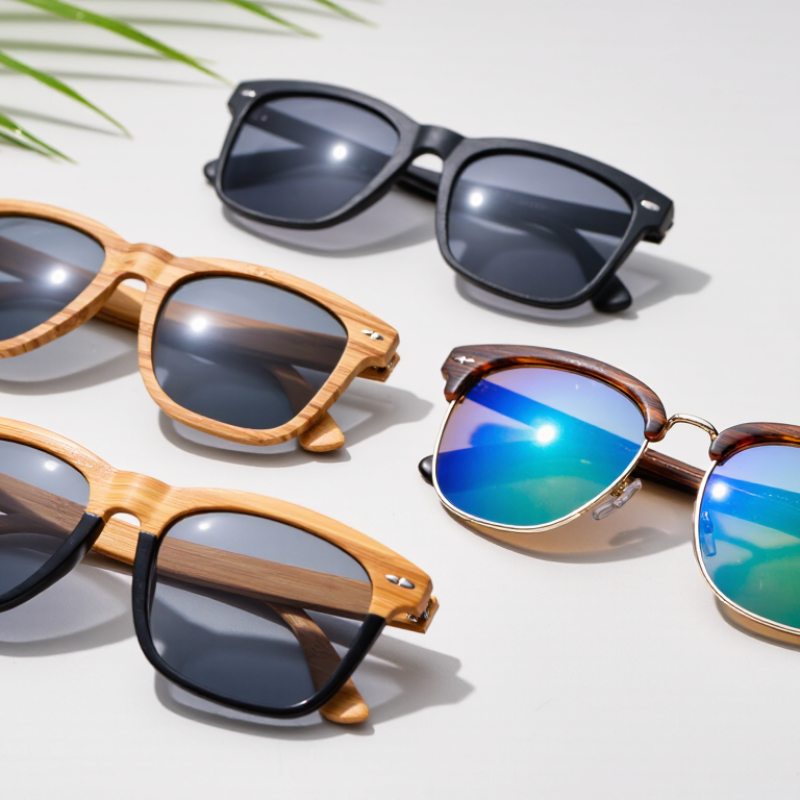
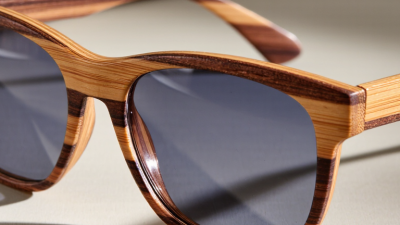
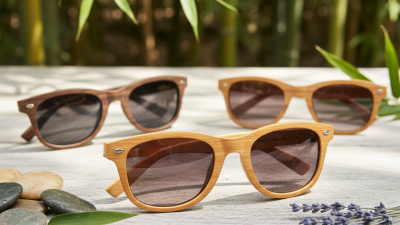
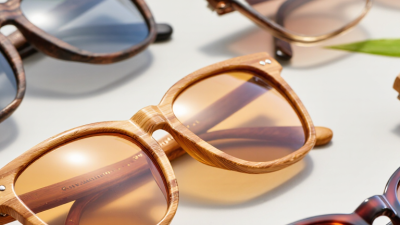
Bamboo sunglasses use bamboo in the frame, temples, or decorative layers. The lenses are usually made from optical plastic or glass. Bamboo is shaped, dried, laminated, and sealed before assembly. This process creates a warm grain, light feel, and natural variation that plastic cannot fully copy. Each frame may show small color differences. That is part of the appeal.
In practical product inspections, I check more than appearance. The frame should feel smooth around the nose and ears. Hinges should open evenly without grinding. Buyers should request lens test reports for UV protection and optical clarity. Moisture resistance also matters, especially for humid markets. Poor sealing can cause swelling, cracks, or unpleasant surface changes. Ask about bamboo sourcing, adhesive safety, coating durability, and repair support.
Bamboo sunglasses matter because they connect eyewear with material choices. Bamboo grows quickly, but that does not make every product automatically sustainable. Energy use, transport, coatings, packaging, and factory waste still affect the real footprint. I would not call a frame eco-friendly without evidence. For buyers comparing Man Sunglasses, comfort and verified protection should remain more important than a natural-looking finish. The material is not flawless. That deserves honest attention.
Designers developing Sunglasses Men collections often begin with the bamboo’s grain, color, and natural strength. Each piece is inspected before cutting, because moisture and fiber direction affect durability. Experienced makers usually select mature bamboo, dry it carefully, and laminate thin layers for better stability. The frame should feel light, but not fragile.
Computer sketches define the bridge, temple angle, and lens spacing. Skilled technicians then shape prototypes by hand and machine. Small adjustments matter. A temple that presses behind the ear can make a beautiful frame uncomfortable. Hinges need accurate drilling, while edges require repeated sanding to remove sharp fibers. Finishing may include plant-based coatings or other tested materials, depending on the product specification.
Manufacturing quality depends on more than appearance. Reliable suppliers record material batches, adhesive details, dimensions, and inspection results. UV protection should be verified through documented lens testing, not assumed from a dark tint. Samples also need checks for hinge movement, lens alignment, surface cracks, and packaging damage. Bamboo is not perfectly uniform. That is part of its appeal, but it can complicate large orders. Some pieces may need rejection, and buyers should question suppliers who promise zero variation. In practice, clear tolerances and honest sample reviews create better purchasing decisions than polished photographs.
Bamboo sunglasses production is concentrated where bamboo, skilled labor, and export infrastructure overlap. Southeast Asia remains a key region, especially Vietnam, Indonesia, and the Philippines. These markets offer mature bamboo processing and reliable coastal shipping. Workshops often hand-finish frames, leaving subtle grain variations. That variation is real. It is not always a defect. Buyers should still check hinge alignment, lens fitting, and moisture protection before ordering large quantities.
Southern China combines bamboo resources with advanced eyewear machinery and established component supply chains. This can support consistent sizing, polishing, and packaging for international orders. India also contributes through bamboo craftsmanship, particularly in northeastern production areas. However, factory capability can vary widely. A beautiful sample does not guarantee stable mass production. Buyers should request production records and independent test reports for UV protection, optical clarity, and frame durability.
Regional climate matters during sourcing. Humid workshops need careful drying, sealing, and warehouse control to reduce warping. Exporters should explain their treatment process clearly. Some suppliers provide strong documentation, while others rely on informal assurances. That gap deserves attention. Color choices, including Red Sunglasses, may require additional coating checks because bright finishes can reveal uneven surfaces. Buyers should compare pre-production samples, packaging strength, and replacement procedures before confirming a long-term order.
Top Bamboo Sunglasses Manufacturers for Global Buyers
Leading Bamboo Sunglasses Manufacturers and Their Specialties
Reliable bamboo sunglasses manufacturers usually specialize in a clear production area. Some focus on laminated bamboo frames with layered grain patterns. Others develop lightweight designs for travel, outdoor use, or everyday retail collections. This difference matters. A factory skilled in thin temple arms may not excel at oversized frames or custom hinges.
Experienced manufacturers should explain their bamboo sourcing, frame construction, and finishing process. Look for kiln-dried bamboo, smooth edge treatment, and consistent moisture control. These details reduce cracking and warping during international shipping. Ask for samples before placing a large order. A sample can reveal uneven polishing, loose hinges, or uncomfortable nose bridges quickly.
Lens expertise also separates capable suppliers from basic assemblers. Strong manufacturers can discuss UV protection, lens tint consistency, optical clarity, and impact testing records. They should provide measurable specifications rather than vague claims. Packaging specialists may offer recycled cases, barcode labeling, and export-ready cartons. Customization is useful, but excessive options can slow production and increase quality risks.
No supplier gets every batch perfect. That limitation deserves honest discussion. Buyers should request inspection photos, tolerance standards, and replacement terms before production begins. Smaller factories may offer closer communication, while larger facilities often provide steadier capacity. Neither option is automatically better. The right choice depends on order volume, design complexity, delivery expectations, and the buyer’s willingness to monitor details.
| Manufacturer Profile | Primary Production Region | Core Specialty | Typical Materials | Customization Options | Common Lens Choices | Best Suited For |
|---|---|---|---|---|---|---|
| Profile A | East Asia | High-volume bamboo frame production | Bamboo veneer, bamboo fiber composites, stainless-steel hinges | Frame shape, engraving, temple design, private-label packaging | UV400, polarized, gradient, mirrored | Retail chains, distributors, and promotional programs |
| Profile B | Southeast Asia | Hand-finished artisan eyewear | Natural bamboo, hardwood accents, bio-based acetate components | Hand staining, surface texture, custom colors, logo etching | Polarized, brown tint, smoke tint, clear demonstration lenses | Independent labels, lifestyle stores, and eco-conscious retailers |
| Profile C | South Asia | Small-batch sustainable production | Bamboo, recycled metal hardware, plant-based packaging | Small-run designs, packaging inserts, laser marking, color matching | Polarized, UV400, blue-light filtering, interchangeable lenses | Startups, online brands, and seasonal collections |
| Profile D | Latin America | Regionally sourced natural-material eyewear | Bamboo, responsibly sourced wood, stainless-steel or nickel-silver details | Natural finish, custom temple artwork, retail-ready presentation boxes | Polarized, UV400, smoke, amber, and green lenses | Tourism retailers, resort shops, and regional wholesalers |
| Profile E | Europe | Design-led and compliance-focused assembly | Bamboo laminates, bio-based polymers, stainless-steel components | CAD-based development, fit adjustments, color standards, packaging design | Polarized, UV400, prescription-compatible, anti-reflective | Premium collections and buyers requiring documented specifications |
| Profile F | North America | Prototype development and direct-to-consumer support | Bamboo, recycled nylon, bio-acetate, corrosion-resistant hinges | Rapid sampling, fit testing, online packaging customization, limited editions | Polarized, UV400, mirrored, prescription-ready | E-commerce brands, crowdfunding projects, and test-market launches |
When evaluating bamboo sunglasses suppliers, treat each pair as an optical product, not a souvenir accessory. FAO’s Global Forest Resources Assessment 2020 estimates about 35 million hectares of bamboo forests worldwide. This scale does not prove responsible sourcing. Ask suppliers for bamboo species, harvest region, drying process, and chain-of-custody records. Inspect the frame closely: uneven grain, bubbling laminate, sharp temple edges, or loose hinges often reveal weak finishing control. Small details matter.
Request independent test reports aligned with ISO 12312-1:2022, especially for ultraviolet transmittance, optical quality, and mechanical safety. Do not accept a generic “UV400” label alone. Ask whether lenses are tested by batch, not only during product development. Check hinge performance through repeated opening cycles. Expose a sample to sweat and humidity, then inspect swelling, odor, and adhesive separation. It is basic, but useful.
Supplier reliability also depends on documentation. Compare approved samples with mass-production units, and record color, lens shade, dimensions, and logo placement. Request corrective-action reports when defects appear. Verify production capacity during peak seasons; a supplier may promise 10,000 units, then miss delivery dates. Bamboo frames can absorb moisture. Packaging must include dry storage guidance. My checklist is not perfect, and laboratory reports can become outdated. Re-testing remains necessary when adhesives, coatings, or lens materials change.
For global buyers, bamboo sunglasses sourcing starts with a clear OEM brief. Grand View Research estimated the global sunglasses market above US$20 billion in 2023, creating strong room for sustainable-looking products. Yet bamboo does not automatically mean sustainable. Ask suppliers about bamboo species, laminating adhesives, coatings, and traceability. Material claims need evidence.
Customization usually covers frame shape, bamboo layers, hinges, lenses, logo engraving, packaging, and color stains. A practical prototype should test bridge comfort, hinge movement, UV protection, and surface cracking. ISO 12870 provides relevant requirements for spectacle frames, while lenses should meet the target market’s optical and UV standards. The Sunglasses Man buyer should request test reports, not only attractive product photos.
Pricing depends on design complexity and order volume. A basic bamboo frame may cost about US$4–10 at factory level, while polarized lenses, custom boxes, and hand finishing increase the quotation. These figures are working estimates, not fixed market prices. Many factories request 100–500 pieces for standard OEM designs, but fully customized models may require 500–1,000 pieces. Low MOQs sound convenient. They can also raise unit costs, reduce color options, and leave buyers with slow-moving stock. A smaller pilot order is safer, although not always cheaper. Price comparisons should include samples, tooling, inspection, packaging, shipping terms, and replacement policies.
These indicative market-planning ranges show how minimum order quantities commonly increase with the level of customization. Stock frames with logo printing usually require fewer units, while new frame molds and fully customized production require larger commitments.
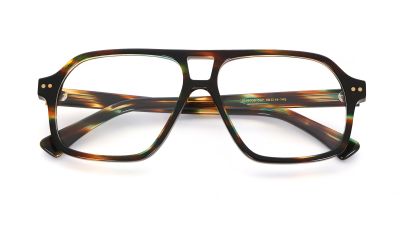
When choosing high-quality oversized aviator sunglasses for men from China suppliers, begin by checking both protection and construction. Look for lenses labeled UV400, which help block UVA and UVB rays during commuting, travel, and outdoor activities. A well-made gradient lens should offer a smooth color transition, clear vision, and minimal distortion from different viewing angles. The oversized aviator shape should feel balanced on the face rather than excessively heavy, while durable frames, secure nose pads, and firm hinges can improve comfort and extend daily use. Before placing a large order, request product photos, material details, and sample testing to evaluate the actual finish.
Supplier reliability is equally important. Choose a factory or wholesaler that can provide consistent quality, responsive communication, and transparent order terms. Factory-stock availability can support faster fulfillment, while a minimum order quantity of 10 pieces is practical for small retailers, online sellers, and trial purchases. Free sample delivery allows buyers to inspect the lenses, frame alignment, packaging, and overall appearance before committing. It is also helpful to confirm customization options, inventory levels, production timelines, and worldwide shipping arrangements. With their retro-inspired styling, these sunglasses can complement modern streetwear, everyday commutes, and outdoor looks while offering a practical balance of fashion and eye protection.
Key production areas include Vietnam, Indonesia, the Philippines, southern China, and northeastern India. These regions combine bamboo resources, skilled workers, and export facilities. Capabilities still vary between factories.
Not always. Hand-finished frames may show small differences in grain and color. However, check hinge alignment, lens fitting, sharp edges, and surface cracks. Natural does not mean careless.
Request independent reports for ultraviolet protection, optical clarity, and frame durability. Testing should follow relevant eyewear standards, including ISO 12312-1:2022 and ISO 12870. Do not rely on a generic UV label alone.
Expose samples to sweat and humidity before placing a large order. Inspect swelling, odor, adhesive separation, and warped temples. Drying and sealing deserve close attention.
Ask for bamboo species, harvest region, drying methods, and traceability records. Request production records and independent laboratory reports. Documents can become outdated, so re-testing may be necessary.
Custom work may include frame shapes, bamboo layers, hinges, lenses, engraving, packaging, and color stains. Test a prototype for bridge comfort, hinge movement, UV protection, and cracking. Beautiful photos prove very little.
Basic factory pricing may range from about four to ten US dollars per frame. Polarized lenses, hand finishing, and custom boxes can increase costs. Standard orders may require 100–500 pieces, while complex designs may need 500–1,000 pieces.
Usually, but not always. A smaller order can reveal defects before full production. It may also create higher unit costs and fewer color choices. Compare samples, tooling, inspection, packaging, shipping, and replacement terms. My checklist is not perfect.
Bamboo Sunglasses combine natural materials, lightweight comfort, and modern optical design, making them an appealing choice for eco-conscious consumers and global buyers. This article explains what bamboo eyewear is, why it matters, and how frames are designed and manufactured, from selecting suitable bamboo and applying protective treatments to shaping, polishing, assembling, and quality testing. It also reviews key production regions and the different strengths suppliers may offer, including craftsmanship, production capacity, material expertise, and export support.
For buyers comparing manufacturers, the guide highlights practical evaluation points such as frame durability, lens quality, finishing consistency, safety documentation, communication, and production reliability. It also outlines how OEM services, custom shapes, colors, logos, packaging, pricing, and minimum order quantities can affect purchasing decisions. By considering product quality, customization flexibility, transparent costs, and supplier performance together, importers and retailers can select dependable partners and develop Bamboo Sunglasses collections that match their target markets and business requirements.