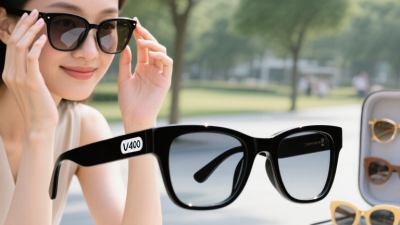
Picking out the perfect pair of ladies sunglasses in 2026 isn't just about finding something that looks cute with your outfit. Honestly, you want a pair that feels good, stays put, and actually shields your eyes from the sun's harmful rays. So, take a second to glance at the label – look for something like UV400 or 100% UVA/UVB coverage. And here's the kicker: just because the lenses are super dark doesn't mean they're doing you any favors protection-wise.
Honestly, fit is something you really notice once you're wearing glasses every day. The frames should sit snugly on your nose without pinching, and the temples shouldn't be digging into the back of your ears. A good test? Put them on, look down gently, and see if they stay put. If they slide right off, that's a dealbreaker. And think about your daily routine, too. Polarized lenses are awesome for cutting glare off water or bright roads, but just to be clear—they're not a substitute for UV protection. Don't expect them to do double duty. Hey, so if you're needing prescription lenses, the real deal is to have a chat with an eye-care professional. They'll hook you up with the right lens options and also let you know if they'll work with your frames. You know, make sure everything fits together nicely.
Honestly, small details are everything. Things like lens color, frame weight, and how much coverage you get – they really change the game when you've been wearing sunglasses for hours. And here's the thing: there's no perfect pair for everyone. That super popular style everyone's wearing? It might not suit your face at all. Remember that. So, in this guide, I'm going to break down the practical stuff: features, face shapes, lens choices, materials, and budgets, so you can make a smart choice without getting caught up in trends.
Identify Your Lifestyle, Activities, and Sunglasses Needs
Your daily routine matters more than a frame’s trend appeal. For commuting, look for lenses that reduce glare on wet roads; for hiking or beach days, consider a close-fitting frame that limits light entering from the sides. WHO reports that excessive ultraviolet exposure may contribute to up to 20% of cataract cases. That makes UV protection a practical starting point, not an optional extra.
Fit matters.
Check the label for 99–100% UVA and UVB protection, or UV400. The US National Eye Institute recommends this level of protection. Dark lenses alone do not guarantee it. For sports, choose a secure fit that stays in place when you turn your head. For long wear, check that the nose bridge feels steady and the temples do not press behind your ears. Small discomforts become obvious after an hour.
Your needs may overlap with other frame categories. Even when comparing Man Sunglasses, use the same checks for UV protection, fit, and activity; gender labels say little about performance. I would not choose a pair just because it looks right in a mirror. Try it in daylight, and notice whether it slips when you look down. A little doubt is useful: the best-looking frame may not suit every part of your day.
Check UV Protection and Lens Safety Standards
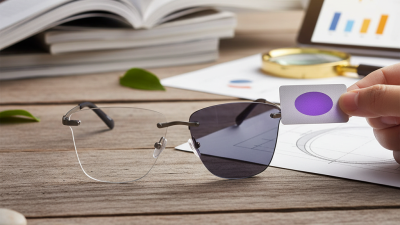
When choosing ladies’ sunglasses in 2026, check UV protection before judging frame shape or lens darkness. Look for a clear UV400 or 100% UVA/UVB claim. Dark is not safer. Dark lenses without UV filters can let pupils widen while harmful rays still reach the eyes. ISO 12312-1 sets requirements for general-use sunglasses, including UV transmittance and optical quality. The World Health Organization’s assessment of solar ultraviolet radiation estimates that up to 20% of cataracts may be attributable to UV exposure.
Tips: Read the label carefully, and check that it names UVA and UVB protection. Try the glasses outdoors: if the view looks distorted or straight edges appear wavy, choose another pair. Wraparound frames can also reduce light entering from the sides. A label is useful, but it is not an independent test result.
For stronger assurance, ask an optical professional whether the lenses meet ISO 12312-1 or an applicable national standard. Lens material matters too. Polycarbonate lenses are lightweight and impact-resistant, but they still need verified UV protection. Scratches, loose hinges, or lenses that sit unevenly can affect everyday comfort. Replace damaged eyewear rather than relying on a faded label or a dark tint.
Choose Lens Types and Tints for Your Daily Conditions
Choose lens tint by the light you actually face. Gray lenses reduce brightness while preserving natural color, making them practical for errands and bright commutes. Brown or amber lenses can sharpen contrast on hazy days, though colors may look warmer. Clouds can mislead. UV rays still reach your eyes, so check the label for 100% UVA and UVB protection or UV400. Color is not protection.
For glare from wet roads, water, or glass buildings, polarized lenses can make the view more comfortable. They do not automatically provide better UV protection, so verify both features. The WHO, WMO, UNEP, and ICNIRP’s Global Solar UV Index guide recommends protective measures when the UV Index reaches 3. Check your local UV forecast; midday sun often calls for darker lenses and a brimmed hat.
At dawn or dusk, lighter tints may help preserve visibility, but avoid lenses that make the scene too dim for driving. Glare feels tiring. A quick doorway check helps: can you see faces and curb edges clearly? If not, the tint may be too dark for that setting. Lens categories and individual light sensitivity vary, so one pair rarely suits every day. A second, lighter pair may be useful—though it is easy to leave it at home.
Find a Frame Shape and Size That Fit Comfortably
A flattering frame should sit securely without pressing your temples or sliding down your nose. Start by checking the width: the frame should roughly match the widest part of your face, with no large gaps at the sides. The arms should rest comfortably above your ears, not squeeze them. Comfort comes first. A mirror helps, but a short walk in the glasses can reveal slipping that a still photo misses.
Face-shape guides can offer ideas, not rules. Soft, rounded frames may balance angular features, while defined corners can add contrast to a round face. Still, real faces rarely fit neat categories. Try a few shapes in natural light and notice how the frame sits beside your cheekbones and eyebrows. It should not brush your cheeks when you smile. A little contact can happen with some face shapes, so check how it feels during ordinary movement.
Size matters as much as style. If the lenses look oversized, or the bridge leaves red marks after a few minutes, try a narrower or lighter option. Not too tight. Some online guides use the phrase “Sunglasses Men,” but sizing measurements can help anyone compare frames. Measure a pair you already find comfortable, then use those numbers as a starting point—not a guarantee. Fit varies, and I would not trust a label alone.
Compare Materials, Durability, and Useful Features
Frame material affects comfort, weight, and how sunglasses age. Acetate frames feel substantial and come in many colors, but thick temples may press behind your ears. Lightweight metal frames suit long wear, though adjustable nose pads need occasional checking. Fit matters. Look for smooth hinges and edges that do not catch your hair or skin.
Durability depends on more than the frame. Lenses should resist everyday scratches, but no lens is scratch-proof. Check that they block 100% of UVA and UVB rays; dark tint alone does not guarantee protection. If you often leave sunglasses in a hot car, consider that heat can warp some frames. A sturdy case helps, but it is easy to forget one.
Useful features should match your routine. Polarized lenses can reduce glare from wet roads and water, though they may make some screens harder to read. Gradient lenses keep the upper view darker while leaving the lower area clearer. Red Sunglasses can add a vivid accent, but check that the tint still feels comfortable outdoors. Try frames while smiling and looking down; small pressure points may appear only after several minutes. I would not choose by appearance alone. A stylish pair that slips repeatedly can become a daily annoyance.
Evaluate Quality and Price Before Making Your Choice
Choosing ladies’ sunglasses in 2026 means weighing protection, construction, and price—not just frame shape. Grand View Research’s Sunglasses Market Size report valued the global market at USD 25.6 billion in 2023, with projected annual growth of 6.4% from 2024 to 2030. A growing market offers more choice, but a higher price does not guarantee better quality.
Check for a clear UV400 or 100% UVA/UVB protection claim. Then inspect the lenses against a straight edge; visible warping can make everyday wear uncomfortable. Look closely at the hinges, screws, and frame joints. They should feel secure, not stiff or loose. Polarization can reduce reflected glare, but it does not automatically confirm UV protection. If a search for “Sunglasses Man” brings up mixed listings, compare specifications rather than relying on styling photos.
Price the features you will actually use. A sturdier frame, dependable lens information, a useful warranty, and accessible replacement parts may justify spending more. Try the fit: the bridge should sit steadily, and the temples should not pinch after several minutes. Small comfort issues are easy to overlook in a mirror. I’d still treat online claims cautiously; without clear protection details, a low price is a gamble, not a bargain.
How to Choose the Best Ladies’ Sunglasses in 2026
Check UV protection first, then compare lens quality, fit, durability, and price.
UVB is commonly defined as 280–315 nm and UVA as 315–400 nm. Sunglasses labeled UV400 are designed to block UV radiation up to 400 nm. Confirm the UV-protection claim; dark tint alone does not indicate UV protection. Once protection is verified, compare comfort, lens clarity, frame durability, and price.
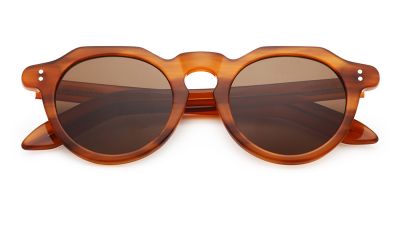
A Buyer’s Guide to Retro Round Tortoiseshell Acetate Sunglasses: Wholesale, OEM & ODM
Choosing retro round tortoiseshell acetate sunglasses for wholesale means balancing distinctive style with reliable everyday wear. This design pairs a softly rounded profile with subtle octagonal lines, bringing together vintage character and a contemporary edge. Clean contours and gentle tortoiseshell tones make the frame easy to coordinate with a range of personal styles, while high-quality acetate gives it a smooth, skin-friendly feel and lasting structure. For buyers, consider the frame proportions, color consistency, finish, and comfort when assessing samples for an optical store or collection.
OEM and ODM options allow businesses to tailor the sunglasses to their customers and market positioning. Customization can cover acetate materials, frame colors, logo placement, and sizing, helping create a cohesive product range without losing the design’s retro appeal. Before confirming a wholesale order, clarify sample approval, production specifications, packaging needs, and order quantities with the supplier. Reviewing these details early can help ensure the finished eyewear matches your expectations for appearance, fit, and quality.
Conclusion
Choosing the right Ladies Sunglasses starts with understanding when and where you will wear them. Consider your daily activities, from commuting and driving to walking outdoors, and look for lenses that provide reliable UV protection and meet recognized safety standards. Lens color and type can also affect comfort and visibility in different light, so choose options suited to your usual conditions rather than relying on appearance alone.
A comfortable fit matters just as much as lens performance. Select a frame shape and size that suit your face, stay secure, and feel comfortable over time. Compare frame and lens materials for durability, and consider useful features such as lightweight construction or scratch resistance. Finally, balance quality, practical benefits, and price to find sunglasses that meet your needs and are comfortable to wear regularly.