Picking Ladies Sunglasses in 2026 is really about three things: protecting your eyes, staying comfortable, and looking like you. The right pair should feel easy from the second you put it on. Start with lenses that actually block UV well and give you clear vision. UV400 is a good sign, sure, but don’t just stop at the label—dig into the product details and check who’s selling them. Polarized lenses can cut glare from roads, water, and shiny shop windows. But they’re not magic for every situation. Worth keeping in mind. And darker lenses? They aren’t automatically safer.
Optical pros often look at lens coverage, frame alignment, and how much pressure you feel around your nose and ears. Those little things matter on long commutes, beach walks, or lazy outdoor lunches. The frame should stay put without digging in or leaving marks. Your pupils should sit more or less centered in the lenses. Wide temples can look cool, but they might fight with earrings or over-ear headphones. Sometimes a tiny adjustment changes everything.
Style advice doesn’t always match real life. A frame that looks amazing in a photo might slide down halfway through a summer trip. So before you buy, try bending forward, smiling, and turning your head. Materials matter too. If a brand says recycled or bio-based, there should be clear info to back it up. Don’t fall for pretty packaging alone. Face shape guides can help, but they’re not strict rules. Comfort still wins. Even expert recommendations can be off, especially when the lighting changes from the store to the street. This guide walks through lens tech, frame fit, materials, and practical buying questions, so you can choose Ladies Sunglasses with more confidence and way fewer regrets.
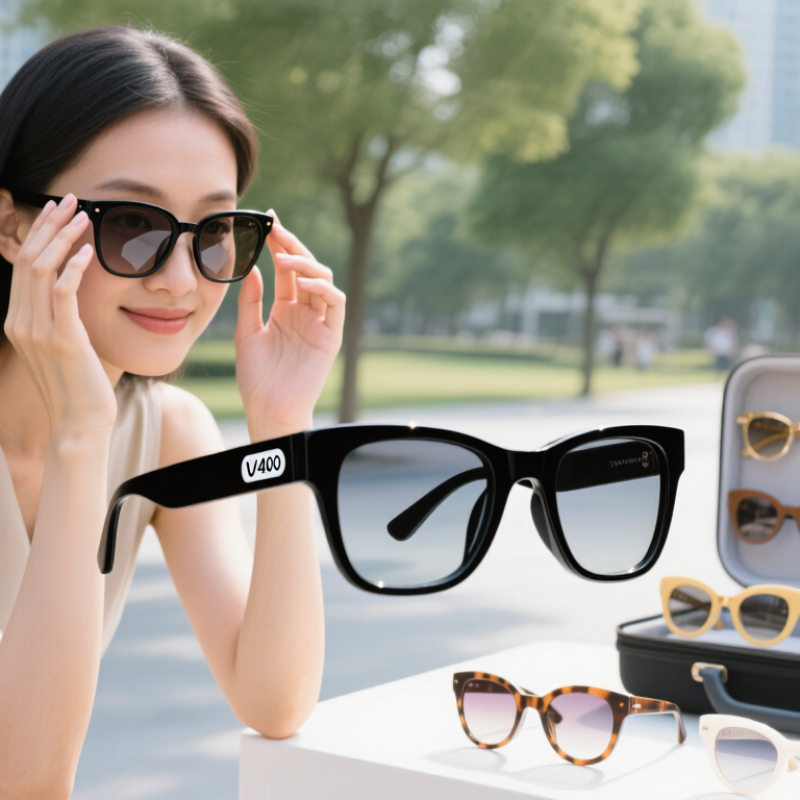
How to Choose Ladies Sunglasses in 2026?
Women’s sunglasses are no longer one simple accessory category. They include aviators, cat-eye frames, oversized styles, wayfarer shapes, sports designs, and rimless options. Each type changes how the face looks and how the glasses perform. Cat-eye frames can sharpen soft facial lines. Oversized lenses offer broader shade, but they may feel heavy after several hours. Sports sunglasses usually provide stronger grip and better coverage for cycling, walking, or beach use.
UV protection matters more than frame shape. The World Health Organization advises protection against both UVA and UVB exposure. Look for lenses marked “100% UVA/UVB protection” or “UV400.” Polarized lenses can reduce glare from wet roads and water. They do not automatically provide UV protection. That detail is often misunderstood. Polycarbonate lenses are light and impact-resistant, while glass lenses can offer clearer optics but add weight. A 2024 Grand View Research report estimated the global sunglasses market at about USD 20.7 billion in 2023, with continued growth expected through 2030. Demand is rising, but bigger sales do not guarantee better quality.
Fit requires real testing, not only a mirror check. The bridge should sit securely without leaving painful pressure marks. Lashes should not touch the lenses. Move your head gently. The frames should stay level. For sensitive eyes, wraparound coverage may reduce side glare. Still, very dark lenses are not always safer. I sometimes prefer a slightly lighter tint for driving and daily walking. Personal comfort remains easy to underestimate.
Choosing ladies’ sunglasses in 2026 starts with your face shape, but shape is only a guide. Oval faces usually suit balanced frames, while round faces often benefit from sharper angles. Square faces can look softer with curved or oval lenses. Heart-shaped faces may feel balanced with lighter lower rims. Still, real faces rarely fit one category perfectly.
Fit matters more than fashion photographs suggest. The frame should sit evenly across your nose without sliding when you look down. Your eyelashes should not touch the lenses. Check the temple arms behind your ears; tight pressure can cause headaches after an hour outdoors. I once chose a beautiful pair that pinched my temples, and I stopped wearing them by noon. That was an avoidable mistake.
Tips: Try sunglasses in natural light. Smile, turn your head, and notice movement. Look for lenses that reduce glare without making your vision feel distorted. Polarized lenses can improve comfort near water and bright roads, but they may affect some digital displays. Choose lightweight materials if you wear glasses for long periods. UV protection is essential, even on cloudy days. Comfort should remain convincing after ten minutes, not just during a quick mirror check.
| Face Shape | How to Identify It | Frame Shapes to Consider | Recommended Fit | Comfort Requirements | Lens and Styling Notes |
|---|---|---|---|---|---|
| Oval | The face is slightly longer than it is wide, with gently curved cheeks and a rounded jawline. | Most frame shapes can work, including rectangular, square, cat-eye, aviator, and softly rounded designs. | Choose a frame front that is approximately as wide as the cheekbones. A medium eye size, commonly around 50–55 mm, can be a useful starting point. | The bridge should rest securely without pinching. The frame should remain level when smiling, talking, or looking down. | Use frame proportions to create balance. Moderate contrast or slightly upswept corners can add definition without overwhelming the face. |
| Round | The cheek and jaw areas are softly curved, with similar face width and length and limited angular definition. | Rectangular, square, geometric, and softly angular frames can add visual structure. | Select frames that are wider than their height. The outer edges should not extend so far that they touch the cheeks. | Adjustable nose pads or a well-shaped bridge can help prevent sliding, especially when the nose bridge is lower or less pronounced. | Vertical or angular lines can visually lengthen the face. Avoid frames that are very narrow or strongly circular if a more defined appearance is desired. |
| Square | The forehead, cheekbones, and jaw are similar in width, with a defined jaw and relatively straight side contours. | Round, oval, butterfly, and softly curved frames can balance pronounced facial angles. | A frame slightly wider than the cheekbones may provide a balanced appearance. Avoid excessive temple pressure from narrow frames. | Look for rounded nose bridges, flexible temples, and lightweight materials to reduce pressure around the ears and temples. | Curved lens and frame lines can soften the overall look. Medium-to-large lenses may work if they remain proportionate to the face. |
| Heart | The forehead is wider, the cheekbones are prominent, and the chin is narrower or more pointed. | Bottom-heavy, rimless, oval, rounded, and light-colored frames can help balance the upper and lower face. | The frame should sit comfortably below the brow line without being wider than the forehead area. Avoid excessive top-heavy volume. | A stable bridge and lightweight construction can reduce downward pressure. The temples should not press into the widest part of the head. | Subtle lower-rim detail can add balance. Gradient lenses, which are darker at the top and lighter at the bottom, may also create a lighter visual effect. |
| Oblong | The face is noticeably longer than it is wide, with relatively straight sides and a longer cheek-to-chin distance. | Taller lenses, oversized frames, round frames, and styles with a defined top line can add visual balance. | Choose enough lens depth to avoid making the face appear longer. The frame width should closely match the cheekbone width. | A secure bridge is important because larger lenses can add weight. Flexible hinges and balanced temple arms can improve long-wear comfort. | Decorative temples, deeper lenses, and horizontal details can provide proportion. Avoid very narrow, shallow frames if more coverage is preferred. |
| Diamond | The cheekbones are the widest area, while the forehead and jawline are narrower, often with a defined chin. | Oval, cat-eye, browline, rimless, and softly curved frames can complement prominent cheekbones. | The frame should not press against the cheekbones. A slightly wider upper frame can align with the brow and forehead. | Use a bridge that sits naturally and temples that do not flare outward. Lightweight lenses are useful for extended wear. | Emphasis on the brow line can balance the face. Avoid very narrow frames that leave the cheekbones visually unsupported. |
How to Choose Ladies Sunglasses in 2026? Lens protection should come before appearance. The World Health Organization reports that ultraviolet radiation may cause up to 20% of cataracts. Look for lenses marked UV400, which indicates protection across UVA and UVB wavelengths up to 400 nanometres. Dark glass alone proves nothing. A nearly black tint can still offer poor ultraviolet protection. Check the product documentation, not just the mirror.
Tint affects comfort and visual judgment. Gray usually keeps colors relatively natural. Brown or amber can increase perceived contrast on cloudy days. Polarized lenses reduce reflected glare from roads, water, and shop windows, but polarization does not automatically mean UV protection. ISO 12312-1 provides a useful reference for general-purpose sunglasses, including filter categories and optical requirements. Category 4 lenses are extremely dark and unsuitable for driving. Test the frame indoors first. If straight shelves look bent, the lens may have unacceptable distortion. I learned this after wearing a stylish pair that caused eye strain within an hour. Fit matters too. Lenses should sit close without touching eyelashes, while the temples should not press behind the ears. The same checks apply to Man Sunglasses. Optical performance is often overlooked. That is the weak point. A 2024 consumer report from The Vision Council also highlights comfort and lens function as important purchase considerations, though personal fit still requires careful, real-world testing.
Choosing Lens Protection, Tint, and Optical Performance
The chart uses the visible light transmission ranges defined for sunglass filter categories under ISO 12312-1. Category 0 is suitable for very low light reduction, while Category 3 provides strong reduction for bright sunlight. Category 4 allows only 3%–8% visible light transmission and is not suitable for driving. Regardless of tint, choose lenses labeled UV400 or 100% UVA/UVB protection, and check that the lenses are free from noticeable distortion for better optical performance.
Choosing ladies sunglasses starts with how the frame feels, not only how it looks. In my fitting experience, lightweight acetate feels warm and comfortable during long walks. Metal frames create a slimmer appearance but may feel cold against the skin. Flexible nylon suits active days, although some styles can appear less refined. Check the hinges carefully. They should open smoothly without feeling loose.
Color should support your natural contrast. Soft brown, honey, and champagne tones often complement warm skin undertones. Black, silver, and cool gray can sharpen cooler complexions. Still, these rules are not absolute. A vivid red frame may look surprisingly balanced with neutral clothing. Try the glasses near a window. Indoor lighting can distort color.
Personal style matters more than seasonal predictions. Choose rounded frames for a gentler impression, or angular shapes for stronger facial definition. Your hairstyle and jewelry also affect the result. A search label such as “Sunglasses Men” should not influence a women’s frame choice; fit and protection matter more than category names. Look for clear UVA and UVB protection information, and ask an optical professional if the label seems unclear. I once preferred a dramatic oversized frame, but it slipped whenever I looked down. It looked excellent in photos. It failed in daily use.
UV protection should guide every purchase, not frame color or seasonal styling. The World Health Organization reports that up to 20% of cataracts may relate to ultraviolet exposure. Look for lenses marked 100% UVA/UVB protection or UV400. “Polarized” describes glare control, not complete UV protection. Check both claims separately. ISO 12312-1:2022 sets international requirements for general-use sunglasses, including optical quality and protective performance. A clear test mark inspires more confidence than vague packaging language. Red Sunglasses can look striking, but red tint alone offers no protection evidence.
Durability also affects real-world safety. Hold each temple open and close it several times. It should move smoothly without creaking or looseness. Examine hinge screws, lens edges, and nose pads under bright light. The U.S. Consumer Product Safety Commission’s eyewear guidance emphasizes impact-resistant materials for ordinary use, yet “impact-resistant” does not mean unbreakable. Polycarbonate lenses often resist everyday drops better than basic plastic, but they can scratch more easily. I once trusted a heavy frame that felt premium; its hinge failed after one beach trip. Weight can mislead. Product quality needs testing, not guesswork.
Tips: Ask for the UV test result, not only a marketing label. Choose wraparound coverage for cycling or open beaches. Keep glasses in a rigid case, because loose bags invite scratches. Replace lenses after deep marks or distortion. Standards help, but they do not measure every long-term weakness. Examine the small details.
Choosing ladies’ sunglasses in 2026 means balancing comfort, protection, price, and changing fashion. The Vision Council’s 2024 Consumer in Sight report found that about 75% of U.S. adults wore sunglasses during the previous year. That suggests regular use matters more than occasional styling. Look for clear UV400 protection, comfortable nose support, and lenses that reduce glare. Polarized lenses are useful near water, roads, and bright windows.
Budget should follow daily exposure. A durable mid-range pair may offer better value than two fragile fashion pairs. Grand View Research valued the global eyewear market at approximately $129.5 billion in 2023, with strong growth expected through 2030. However, market growth does not guarantee better quality. Check hinge strength, lens clarity, and return conditions before paying more. Try the frame for ten minutes. Pressure often appears later.
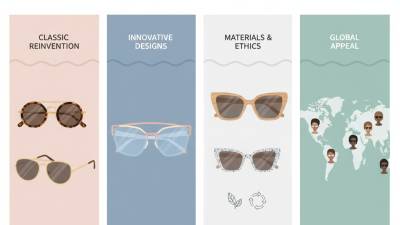
2026 trends favor softer geometric shapes, translucent colors, and lightweight recycled materials. They can refresh a simple outfit without overwhelming the face. Even a search phrase like Sunglasses Man shows how online styling language can blur gender preferences. Fit remains personal. That advice is not flawless. A narrow face may need adjustable pads, while larger faces may need wider temples. I would not buy a trend blindly. A mirror cannot show temple pain after a two-hour walk.
The global eyewear market is entering a design-driven growth phase. Grand View Research estimates that the market was valued at approximately USD 115.9 billion in 2022 and may expand at a compound annual growth rate of 8.1% from 2023 to 2030. Statista reports similarly point to continued growth in the worldwide sunglasses segment, supported by fashion-led purchases, online retail, and increasing demand for differentiated frame designs. These trends create strong opportunities for champagne oval acetate sunglasses in wholesale collections.
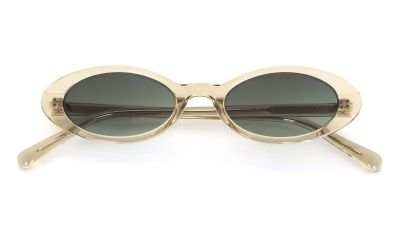
Featuring a narrow oval silhouette, this style delivers a sharper retro character than conventional oval frames. Its elongated proportions visually lengthen facial contours, complementing round and square face shapes while maintaining a relaxed, casual aesthetic. As a popular derivative of cat-eye sunglasses, the design can serve both seasonal fashion assortments and daily-wear collections. The champagne acetate color adds a soft, refined tone that works well across neutral and contemporary merchandising themes.
For B2B buyers, full-customization service supports material texture, color, logo placement, and frame sizing across the complete supply chain. Frame width and temple length can be adjusted for different market preferences, while exclusive logo engraving supports private-label development and personalized consumer programs. This flexibility helps wholesalers respond to the customization and product differentiation trends highlighted in current Grand View Research and Statista eyewear reports.
Use face shape as a guide, not a strict rule. Oval faces often suit balanced frames. Round faces may suit sharper angles. Square faces can look softer with curved lenses. Heart-shaped faces may suit lighter lower rims. Real faces are rarely perfect categories.
The frame should sit evenly across your nose. It should not slide when you look down. Your eyelashes should not touch the lenses. Temple arms should rest comfortably behind your ears. Try smiling and turning your head.
It should remain comfortable after ten minutes. Tight temples may cause headaches later. Lightweight materials can help during long outdoor use. A mirror check is not enough. I once ignored this and stopped wearing a beautiful pair by noon.
Look for clear UV400 protection. It covers UVA and UVB wavelengths up to 400 nanometres. Dark lenses do not automatically block ultraviolet radiation. Check product documentation, not only the lens color. Protection matters on cloudy days too.
Not automatically. Polarized lenses reduce reflected glare from roads, water, and bright windows. They may affect visibility on some digital displays. Confirm UV protection separately. The reflection can look calmer, but the screen may look unusual.
Gray lenses usually keep colors relatively natural. Brown or amber lenses may improve contrast on cloudy days. Very dark lenses are not always better. Category 4 lenses are unsuitable for driving. Choose based on conditions, not appearance alone.
Try the sunglasses indoors first. Look at straight shelves or door frames. If they appear bent, distortion may be unacceptable. Wear the sunglasses for several minutes. Eye strain can appear after leaving the mirror.
Match your budget with daily exposure and use. A durable mid-range pair may outlast two fragile fashion pairs. Check hinge strength, lens clarity, nose support, and return conditions. Higher prices do not guarantee better quality. I would not trust market growth alone.
Softer geometric shapes, translucent colors, and lightweight recycled materials may feel current. These details can refresh a simple outfit. Trends should not override comfort. A narrow face may need adjustable pads. Larger faces may need wider temples.
Choosing the right Ladies Sunglasses in 2026 starts with understanding the differences among classic, oversized, cat-eye, aviator, sporty, and minimalist styles. Consider your face shape, bridge width, temple length, and overall fit to ensure the frames feel secure without pressure. Comfort is especially important for extended wear, so lightweight construction, balanced proportions, and adjustable features can make a significant difference. Lens selection also matters: prioritize reliable UV protection, suitable tint levels, clear vision, and optical performance that matches your daily activities and lighting conditions.
Frame materials, colors, and finishes should complement your personal style while offering sufficient durability for regular use. Before purchasing, check product quality, hinge strength, lens consistency, and recognized UV protection standards. It is also helpful to compare practical needs, such as driving, travel, outdoor sports, or everyday fashion, with your available budget. In 2026, thoughtful design, versatile styling, comfort, and responsible purchasing are likely to be more valuable than following short-lived trends.