
Leave Your Message

Blog

How to Source Acetate Sunglasses in 2026?

How to Source Acetate Sunglasses in 2026?

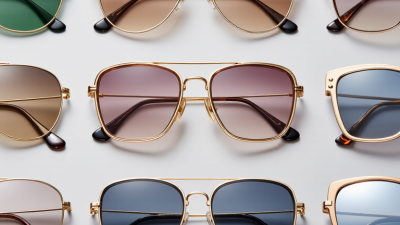
So, you're looking to source acetate sunglasses in 2026? Honestly, it's a bit of a balancing act. You've got to weigh how they look, how they perform, and whether you can actually rely on production. Now, Grand View Research has some numbers on this – they put the global sunglasses market at $38.8 billion in 2023, and they're expecting a 6% compound annual growth rate from 2024 to 2030. But that's for all sunglasses, not just acetate. So sure, it signals there's demand, but it doesn't really help you pinpoint which supplier is going to deliver consistent frames. In the end, it's the little details that decide. So here's the thing about sourcing — you've gotta have a solid spec right from the start. I'm talking frame dimensions, acetate composition, color references, hinge type, lens requirements, and acceptable tolerances. When you reach out to suppliers, make sure you ask for material documentation, sample approval, production capacity, MOQs, and honest lead times. Then compare how each factory handles color consistency between batches, edge polishing, and hinge movement. Sure, a glossy sample can look convincing, but don't let that fool you. The bulk order is where the real scrutiny comes in. You might come across the term 'Sunglasses Acetate' when you're searching around, but honestly, don't let that sway you one bit. Smart buying is all about evidence, not just buzzwords. So, make sure you ask for pre-production samples and get the inspection criteria in writing. Also, figure out who actually owns the tooling and what happens to units that don't pass the test. And if they're making claims about materials or being eco-friendly, ask for the paperwork to back it up. Look, not every supplier is going to hand over the same level of detail – that's something to weigh, not just brush off. In this guide, we'll dig into how to size up suppliers, compare their quotes, and cut down on those annoying sourcing surprises that tend to pop up in 2026. And let's be real – even the best checklist can't shield you from every production hiccup.
Read more »
Sophia By:Sophia - November 11, 2026
What Is OEM Eyewear and How Does It Work?

What Is OEM Eyewear and How Does It Work?

So, OEM eyewear—basically, it's when a manufacturer produces glasses to a buyer's exact specs, and more often than not, those glasses end up being sold under the buyer's own brand. This can cover everything from frames and lenses to packaging and even the final finishing touches. The term gets tossed around pretty loosely, though, so you've got to double-check with the supplier what exactly they're providing. In a typical project, the brand shares their drawings, materials, cost targets, and quality standards with the manufacturer—pretty straightforward, right? So, first the factory checks if it's even feasible, then they make some samples and tweak things like hinge tension, frame thickness, and how the lenses fit. After that, it's all about production, inspection, and packaging. You'd be surprised how much those tiny tweaks can matter. Look, the market numbers are pretty eye-catching—no pun intended—and they definitely explain why this sector gets so much attention. But here's the thing: those numbers don't just zero in on OEM production. For example, Grand View Research estimates the global eyewear market hit $183.36 billion in 2023, and they see it growing through 2030. And the WHO? They report at least 2.2 billion people have some kind of vision impairment, either near or distance. That's a massive chunk of humanity. But don't read too much into it—these figures give us a big-picture view of market demand and vision needs, not a guaranteed roadmap for any particular frame's success. And honestly, that distinction is super easy to miss. So, what's the real difference between OEM and ODM? In OEM, the buyer usually hands over the design or specs, while with ODM, the manufacturer takes on more of the design development. Honestly, in practice, those lines can get pretty blurry. If you're checking out an OEM ODM Eyewear Factory, they might offer both routes, but you've gotta verify their capabilities—like, ask for samples, get detailed specs in writing, and make sure they've got solid quality-control steps. Look, a shiny sample doesn't really prove that every single piece coming off the line will be that flawless. So when you're chatting with suppliers, you've gotta dig a bit deeper—ask how they keep track of materials, what happens when something goes sideways, and which steps in production they can still tweak on the fly. Honestly, the answers you get will tell you way more than any fancy brochure ever will.
Read more »
Sophia By:Sophia - November 8, 2026
How to Choose the Best Ladies Sunglasses in 2026?

How to Choose the Best Ladies Sunglasses in 2026?

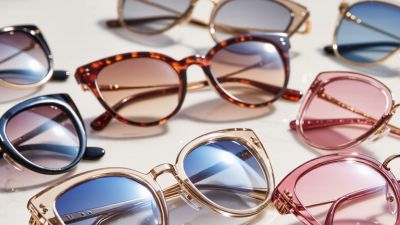
Picking out the perfect pair of ladies sunglasses in 2026 isn't just about finding something that looks cute with your outfit. Honestly, you want a pair that feels good, stays put, and actually shields your eyes from the sun's harmful rays. So, take a second to glance at the label – look for something like UV400 or 100% UVA/UVB coverage. And here's the kicker: just because the lenses are super dark doesn't mean they're doing you any favors protection-wise. Honestly, fit is something you really notice once you're wearing glasses every day. The frames should sit snugly on your nose without pinching, and the temples shouldn't be digging into the back of your ears. A good test? Put them on, look down gently, and see if they stay put. If they slide right off, that's a dealbreaker. And think about your daily routine, too. Polarized lenses are awesome for cutting glare off water or bright roads, but just to be clear—they're not a substitute for UV protection. Don't expect them to do double duty. Hey, so if you're needing prescription lenses, the real deal is to have a chat with an eye-care professional. They'll hook you up with the right lens options and also let you know if they'll work with your frames. You know, make sure everything fits together nicely. Honestly, small details are everything. Things like lens color, frame weight, and how much coverage you get – they really change the game when you've been wearing sunglasses for hours. And here's the thing: there's no perfect pair for everyone. That super popular style everyone's wearing? It might not suit your face at all. Remember that. So, in this guide, I'm going to break down the practical stuff: features, face shapes, lens choices, materials, and budgets, so you can make a smart choice without getting caught up in trends.
Read more »
Sophia By:Sophia - November 3, 2026
How to Choose the Best Polarized Sunglasses

How to Choose the Best Polarized Sunglasses

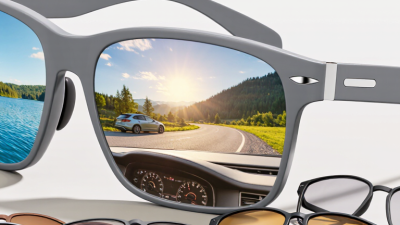
So, you're thinking about picking up a pair of polarized sunglasses? Smart move. But before you commit, let's talk about what they actually do—and what they don't. Polarized lenses are really good at cutting out the harsh glare you get from water, roads, or car hoods. That can make everything look crisper and make being outside a lot easier on the eyes. Here's the catch though: polarization alone doesn't mean you're fully protected from UV rays. Honestly, the best way to get reliable info about UV coverage is to check the manufacturer’s specs—they usually spell it out pretty clearly. First, think about where you'll actually be wearing them. If you're driving a lot, you probably want something comfortable, with lenses that won't mess with how you see the dashboard. On the other hand, if you're out fishing on a bright lake, you might want a frame that hugs your face a bit more, so it doesn't slip when you look down. Tint is another thing to consider—gray tends to keep colors looking natural, while brown can boost contrast in certain light. Honestly, fit is super personal. You want them to stay put, but they shouldn't be squeezing your temples or sliding off your nose either. Little checks go a long way, honestly. Find a seller you trust, make sure the hinges feel solid, and pick lenses that match the lighting you usually deal with. If you can, step outside and wear them for a bit—store lighting doesn't really show you how they’ll feel in the sun or if reflections are going to drive you crazy. Oh, and if you’re considering polarized lenses, keep in mind they can make phone and car screens weirdly hard to see, so give them a quick test with your devices before committing. The truth is, no pair is perfect. You can do everything right and still end up finding some tiny annoyance on a long, sunny drive. So you're on the hunt for new sunglasses? Great—this guide is here to help. We'll go over the practical stuff, talk about the questions that actually matter, and find you a pair that works with your eyes, your daily routine, and your wallet.
Read more »
Sophia By:Sophia - October 31, 2026
China Top 10 Kids Sunglasses Manufacturers?

China Top 10 Kids Sunglasses Manufacturers?

So, you're looking into China's Kids Sunglasses manufacturing scene? Honestly, it's a fascinating mix – you've got these massive production lines, but at the same time, they're super flexible when it comes to custom work. This guide? We've dug up ten of the most reliable manufacturers, perfect for buyers who need solid, dependable eyewear for little ones. So, when I looked at these sunglasses, I checked a bunch of things—like how solid the frame is, the lens quality, UV protection, sizing, how fast they can produce, and how responsive their communication is. But I also got into the nitty-gritty, like whether the nose pads are soft (they are), if the edges are rounded enough, if the hinges have that springy feel, and if the whole thing is light enough. Honestly, these little details matter a lot, especially when a kid drops them on the playground or has them on for hours—you don't want them breaking or feeling uncomfortable after a while. Dr. Gary Heiting, who's an optometrist and teaches in the optical industry, once pointed out that kids' eyes are especially sensitive to UV rays. That warning gives this whole thing a pretty solid health angle. You'd think reliable manufacturers would be upfront about lens specs, keep quality consistent, and provide proper test documentation. But honestly, just showing product photos isn't enough. So, for this comparison, I'm looking at a few different types of suppliers—like those producers in Shenzhen, the eyewear factories over in Wenzhou, and also the export manufacturers based in Xiamen. I'll be checking out their private-label services, minimum order quantities, how they handle samples, their packaging, and what their delivery experience is like. Honestly, a good factory should be able to tell you exactly what materials they use, and answer all your technical questions—without just giving you a bunch of vague promises. Of course, no ranking is ever going to be perfectly objective—we all know that. Buyers have different priorities, so what works for one person might not work for another. That's just the way it is. You know, it's funny—some factories look amazing on their websites, but when you dig deeper, there's not much proof they can actually produce what they claim. On the flip side, you've got others that might have top-notch craftsmanship, but they're terrible at communicating internationally. That contrast really matters when you're narrowing things down. So for the final picks, we focused on stuff we could verify, how responsive they were, whether their products were consistent, and if the pricing and terms were realistic. But honestly, we still think you should get samples and have them independently tested before you commit to anything.
Read more »
Liam By:Liam - October 27, 2026
How to Find Wholesale Eyeglasses Suppliers in 2026

How to Find Wholesale Eyeglasses Suppliers in 2026

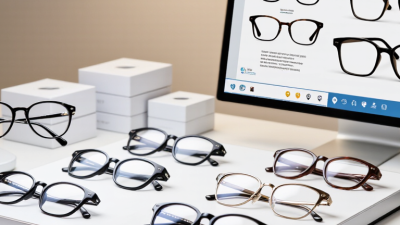
So, finding reliable wholesale eyeglasses suppliers in 2026? It’s not just about comparing prices in catalogs. Robert Chen, an optical sourcing consultant, puts it this way: “A dependable supplier proves quality before asking for a large order.” Honestly, that makes sense. A slick website doesn’t mean much if you can’t trace the product details, get a quick reply, or count on samples being consistent. Start by looking at suppliers who are upfront about their materials, lens options, certifications, and where they actually produce. Before you even think about a long-term deal, ask for samples. Then hold the frames up under a bright light—really look at them. Check the hinge tension, temple alignment, surface finish, and any printed markings. Sometimes the smallest defects are the biggest clue that quality control isn’t where it should be. So, definitely ask about minimum order quantities, private-label options, packaging, replacement policies, and production schedules. A supplier who's actually serious should be able to spell all that out—no vague 'we'll work with you' kind of promises. And yeah, get three quotes and compare them, but don't just jump at the cheapest one. Things like freight, inspection fees, customs handling, and damaged-stock losses can all sneak in and change what you end up paying. Wholesale Optical Frames are kind of their own beast, honestly. Why? Because frame geometry can make or break comfort, fit, and how many returns you end up dealing with. So it's worth checking things like bridge widths, temple lengths, what sizes are actually available, and whether colors stay consistent. And here's a good question to ask a supplier: can they repeat a popular model next season? Their answer might tell you quite a bit about their production limits. So, where do you start? Try trade directories, optical exhibitions, verified business profiles, and—don't underestimate this—referrals from retailers who've been around a while. Also check company registration and payment security through independent sources. One catch: online reviews can be incomplete or just plain outdated. Use them as hints, not hard proof. And remember, the best supplier isn't always the biggest one. It's the partner who actually documents quality, answers the tough questions, and fixes mistakes fast when they happen. Start slow. Let trust build from evidence.
Read more »
Liam By:Liam - October 24, 2026
Top Bamboo Sunglasses Manufacturers for Global Buyers

Top Bamboo Sunglasses Manufacturers for Global Buyers

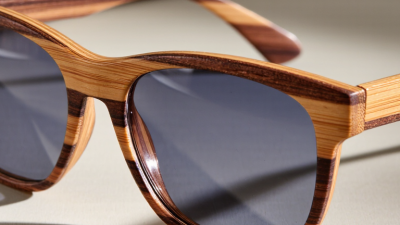
Global buyers are paying closer attention to materials, traceability, and product performance. The global eyewear market is projected to reach approximately USD 197.2 billion by 2030, according to Grand View Research’s Eyewear Market Size, Share & Trends Analysis Report. Sustainable products are gaining visibility within this expansion. Yet, market data rarely separates Bamboo Sunglasses from broader eyewear categories. That gap matters. Dr. Walter Liese, a leading bamboo researcher, wrote, “Bamboo is a grass, but it has the properties of wood.” This simple observation explains both its appeal and its limitations. Bamboo can create lightweight frames with visible grain and a warm, tactile finish. However, moisture control, lamination quality, coating stability, and hinge strength require careful testing. A beautiful frame is not automatically a durable one. This guide examines top Bamboo Sunglasses manufacturers for global buyers. It considers factory experience, material sourcing, UV400 lens testing, production capacity, minimum order quantities, and export documentation. It also reviews practical details, such as saltwater exposure, temple flexibility, packaging protection, and replacement-part support. The Vision Council’s consumer research shows that sunglasses remain strongly connected with outdoor use and eye protection. Style alone is not enough. Buyers should request test reports and sample approval before placing larger orders. Even experienced suppliers may present incomplete sustainability evidence. That point deserves attention. Responsible sourcing depends on verification, not attractive claims.
Read more »
Ethan By:Ethan - October 20, 2026
How to Choose Ladies Sunglasses in 2026?

How to Choose Ladies Sunglasses in 2026?

Picking Ladies Sunglasses in 2026 is really about three things: protecting your eyes, staying comfortable, and looking like you. The right pair should feel easy from the second you put it on. Start with lenses that actually block UV well and give you clear vision. UV400 is a good sign, sure, but don’t just stop at the label—dig into the product details and check who’s selling them. Polarized lenses can cut glare from roads, water, and shiny shop windows. But they’re not magic for every situation. Worth keeping in mind. And darker lenses? They aren’t automatically safer. Optical pros often look at lens coverage, frame alignment, and how much pressure you feel around your nose and ears. Those little things matter on long commutes, beach walks, or lazy outdoor lunches. The frame should stay put without digging in or leaving marks. Your pupils should sit more or less centered in the lenses. Wide temples can look cool, but they might fight with earrings or over-ear headphones. Sometimes a tiny adjustment changes everything. Style advice doesn’t always match real life. A frame that looks amazing in a photo might slide down halfway through a summer trip. So before you buy, try bending forward, smiling, and turning your head. Materials matter too. If a brand says recycled or bio-based, there should be clear info to back it up. Don’t fall for pretty packaging alone. Face shape guides can help, but they’re not strict rules. Comfort still wins. Even expert recommendations can be off, especially when the lighting changes from the store to the street. This guide walks through lens tech, frame fit, materials, and practical buying questions, so you can choose Ladies Sunglasses with more confidence and way fewer regrets.
Read more »
Sophia By:Sophia - October 15, 2026
China Top 10 Bamboo Sunglasses Suppliers

China Top 10 Bamboo Sunglasses Suppliers

China’s Bamboo Sunglasses market is definitely getting more attention these days—mostly because eyewear brands are hunting for lighter materials and stronger sustainability stories. Grand View Research put the global eyewear market at around USD 118.5 billion in 2023, and its forecast suggests growth will keep going through 2030. But here’s the thing: bamboo on its own doesn’t automatically mean responsible production. You still have to check material sourcing, adhesive safety, hinge quality, and finishing standards pretty carefully. Sustainability leader Jochen Zeitz once said, “Sustainability is not about doing less harm. It’s about doing more good.” That’s a pretty useful test for any Bamboo Sunglasses supplier. A credible manufacturer should be able to explain where its bamboo comes from, how it’s processed, what testing it does, and how the factory is controlled. FSC certification can help with traceability, sure—but buyers should still confirm the certificate’s scope and whether it’s valid. Small details matter, too. A smooth temple, an aligned hinge, and a clean protective coating often tell you more than a polished catalog image ever will. This guide looks at China’s top Bamboo Sunglasses suppliers using practical buying criteria. That includes production experience, customization capability, export communication, quality consistency, and environmental documentation. Supplier rankings are never perfect, of course. Public information can be incomplete, and factory claims can change. So physical samples, inspection reports, and direct audits are still really important. Readers should compare each company carefully before placing an order. A beautiful frame is only the beginning—reliable performance has to be proven.
Read more »
Sophia By:Sophia - October 12, 2026
China Top Metal Sunglasses Manufacturers for Global Buyers

China Top Metal Sunglasses Manufacturers for Global Buyers

Looking for top Metal Sunglasses manufacturers in China for global buyers? That's actually a pretty practical sourcing question. Buyers don't just need good-looking samples. They need stable alloys, accurate dimensions, coatings they can count on, and production they can trace. Grand View Research valued the global eyewear market at around USD 115.9 billion in 2022. Its report also expects growth to continue through 2030. Mordor Intelligence sees the sunglasses market expanding over the same period too. These figures show demand is strong, sure, but they don't guarantee supplier quality. And that gap? It matters. China is still a huge manufacturing base for frames and finished eyewear. The advantages are pretty clear: integrated supply chains, flexible tooling, and high-volume assembly. Companies like Wenzhou Wanhui Optical Co., Ltd., Taizhou Hongyuan Optical Co., Ltd., and Xiamen Jiamei Optical Co., Ltd. serve different kinds of buyers. Their capabilities can vary a lot, though. So buyers should verify them directly. Don't just take the website's word for it. With metal sunglasses, you have to pay close attention to stainless steel, titanium, nickel content, soldering, and surface treatment. Even a nice polished hinge can fail after being opened again and again. A beautiful gold finish can fade under ordinary handling. It's the small details that matter. A lot. This guide compares Chinese manufacturers through practical buying criteria. These include material documentation, sample consistency, factory experience, quality inspection, production capacity, and export communication. Useful references include ISO 12312-1 for general sunglasses and ISO 12870 for spectacle frames. EU buyers should also review REACH requirements. US buyers may need extra product and labeling checks. The market data is encouraging, but it's incomplete. Public reports rarely reveal defect rates or after-sales performance. That's why factory audits, pre-shipment inspections, and written specifications still matter. Good sourcing isn't just finding a low quote. It's about reducing the uncertainty you can avoid.
Read more »
Liam By:Liam - October 7, 2026
What Are the Top 10 Gold Sunglasses for Global Buyers?

What Are the Top 10 Gold Sunglasses for Global Buyers?

Picking out the perfect Gold Sunglasses isn’t just about shiny frames or flashy logos. Honestly, folks from all over the world want sunglasses that not only look good but also offer real protection, fit comfortably, and come with clear, honest info before they hit that buy button. So, in this guide, I’ve rounded up ten standout options suited for different lifestyles and budgets. We’ll look at stuff like lens quality, UV protection claims, frame materials, hinge durability, how comfy the bridge is, and how they hold up over time. Make sure to verify these pairs against recognized standards and double-check seller details—availability might be different depending on where you are. What you’ll find here is based on practical buying experiences and solid eyewear principles. I’ve tested how those gold finishes hold up against daily handling, bright sunlight, skin contact, and being stored repeatedly. Plus, I look into whether brands like Ray-Ban, Oakley, Gucci, or Cartier offer useful specs and reliable customer support because, let’s face it, style is awesome—but safety always comes first. Of course, no ranking is perfect. Things like your face shape, prescription needs, or even the climate can totally change what works best for you. A lightweight frame might feel great in the store but start to feel uncomfortable after a few hours outside. And just because a pair costs a bit more doesn’t mean it’s automatically better. I recommend checking out return policies, lens markings, warranty details, and independent reviews before making a decision—these little things help you tell the difference between sunglasses that look cool in photos and those that actually perform well. At the end of the day, don’t forget: your personal fit and needs matter most. Take your time, do some research, and find a pair that really works for you—not just what’s trendy or shiny.
Read more »
Sophia By:Sophia - October 2, 2026
10 Best Round Sunglasses for Every Face Shape

10 Best Round Sunglasses for Every Face Shape

Looking to spice up your style? Round Sunglasses are a fun way to soften sharper features, add a bit of definition to softer ones, or even give your everyday look a cool vintage vibe. But let’s be real — “every face shape” isn’t a strict rule. Honestly, the same round frame can feel perfect on one person but might look way oversized on someone else. It really depends on a bunch of things like lens width, the shape of the bridge, how thick the frame is, and how the temples sit behind your ears. This guide walks you through 10 different options of round sunglasses, not just based on face shapes, but focusing on actual details—like proportions, materials, how much coverage you get, comfort, and style. Keep in mind, availability and fit can vary depending on where you shop. For example, a slim metal frame might feel super lightweight on a smaller face, while a chunkier acetate frame creates a bolder look. A good idea is to compare the measurements of the frames with a pair you already own that fits well. Also, check if the lenses touch your cheeks when you smile—that’s a small detail, but it makes a difference. Now, advice about face shapes can definitely be helpful, but also a little oversimplified. Don’t dismiss a style just because a chart says it’s “wrong” for your face. Your personal taste really matters when it comes to fit—sometimes that means recommendations might not follow the rules perfectly. So, the options I’m sharing are just starting points, whether you have an oval, round, square, heart-shaped, or longer face. You can tweak things based on your features, prescription needs, and how you plan to wear them daily. The main goal? To help you compare frames easily so you can pick a pair you’ll actually want to reach for every day. Happy shopping!
Read more »
Ethan By:Ethan - September 28, 2026
2026 Top Types of Black Sunglasses for Global Buyers?

2026 Top Types of Black Sunglasses for Global Buyers?

Back in 2026, black sunglasses are still totally a go-to choice for folks around the world who want something practical yet stylish and reliable to protect their eyes. They really hit the mark with everyone—from fashion stores and optical shops to travel brands and everyday people just like you and me. But here’s the thing: not all black frames are created equal. Buyers have a ton of options—think aviator, wayfarer, round, square, cat-eye, sporty styles, or even rimless designs. Each shape gives off a different vibe and can flatter different face shapes, so it’s worth taking your time to pick the right one. The material of the frames also plays a big role in how they perform and what they cost. For example, acetate frames tend to have richer, deeper colors and a smooth feel. Injection-molded plastics? Those are often more budget-friendly, especially if you're ordering in bulk. Then there’s stainless steel—lightweight and sturdy—or recycled materials that are great if you’re into sustainability. And don’t forget about the lenses! Polarized lenses are awesome for cutting glare when you're near water, roads, or snowy landscapes. UV400 protection is a must-have, but it’s smart to ask for official testing docs instead of just trusting the labels. Details really do matter here—things like hinge durability, comfortable nose pads, clear lenses, and the quality of the surface finish all influence how happy your customers are. If you’re buying from abroad, ask your suppliers for detailed specs, sample approval, packaging info, and consistent quality checks. Also, keep in mind that regional tastes can differ. Something that looks super premium in one area might not be as popular somewhere else. Oh, and just a heads up: dark lenses might look fancy, but that doesn’t automatically mean they block UV rays better. It’s an easy thing to assume, but always double-check. This guide takes a look at the top styles of black sunglasses for 2026, covering everything from design, materials, and lens tech to comfort, sourcing, and retail value. Trends come and go, so sticking with reliable options that strike a good balance between looks, proven protection, and everyday practicality is usually the safest bet.
Read more »
Liam By:Liam - September 23, 2026
Why Choose Bamboo Sunglasses for Your Brand?

Why Choose Bamboo Sunglasses for Your Brand?

So, why should you consider Bamboo Sunglasses for your brand? Well, the eyewear world is getting pretty crowded, right? Buyers aren’t just checking out lens colors or frame shapes anymore. According to Grand View Research, the global eyewear market was worth about USD 115.9 billion in 2022, and it’s still on the rise. That means brands that show a genuine story about their materials can really stand out. And bamboo? It’s got this warm, natural vibe that sets it apart from the usual acetate or plastic frames. You can actually feel the grain and texture in your hand, and each pair sort of has its own little character because of that. Pretty cool, huh? But here’s the thing: choosing a ‘natural’ material doesn’t automatically mean you’re eco-friendly. Never assume that. The United Nations Environment Programme encourages us to think about the entire life cycle of a product—how it’s sourced, made, and shipped. So, if you’re using bamboo, it’s worth checking where it comes from, what kind of adhesives and coatings are used, how waste is managed, and even how far the materials travel. A light frame might save on shipping, but the manufacturing process still matters. If you have FSC certification, that can help prove you’re committed to responsible forestry—just make sure you have the proper documentation. Saying things like ‘eco-friendly’ without backing it up can make customers skeptical. And yeah, looks are important, but performance is just as critical. The ISO 12312-1 standard covers all the basic requirements for sunglasses—things like UV protection, lens quality, frame strength, and safe chemicals. It’s a good idea to ask for independent testing results so your audience knows your product actually performs. According to The Vision Council, buyers want eyewear that combines style, function, and personal expression. That’s what makes Bamboo Sunglasses a cool choice—assuming you’re honest about what the material is, share the test results, and avoid making exaggerated eco-promises. Also, don’t be surprised if each pair has some natural color variations or grains—that’s part of the charm, but it does mean you need quality control to keep things consistent. That’s all part of the story, but it has to be handled carefully.
Read more »
Ethan By:Ethan - September 18, 2026
10 Best Photochromic Sunglasses for Wholesale Buyers?

10 Best Photochromic Sunglasses for Wholesale Buyers?

Picking out the right photochromic sunglasses for wholesale can be a bit more involved than just checking how dark they get. You really want to think about things like how clear your vision stays, how quickly they activate, UV protection levels, how sturdy the frames are, and if your supplier’s reliable. For example, a lens that darkens super fast outside might still have some issues when you're inside a car. Oh, and temperature—yeah, it matters! Cold weather can slow things down, and bright, strong sunlight can sometimes show uneven tinting, which isn’t ideal. Dr. Gary Heiting, OD, sums it up pretty simply: “Photochromic lenses darken in sunlight and lighten indoors.” Sounds straightforward, right? But when you actually test them in real-life situations—like on the street or inside—you start to see how important this really is. If you’re buying wholesale, it's smart to ask for samples, give the hinges a little tug to see if they’re strong enough, check how comfortable the nose pads feel, and see how fast they bounce back from dark to light. Besides that, don’t forget to review product testing results, coating details, packaging quality, the minimum order quantities, and what kind of warranty support you can count on. Sometimes, it’s those small details that make all the difference. I’ve put together a list of the 10 Best Photochromic Sunglasses for Wholesale Buyers, focusing more on what really matters—value and performance—rather than just shiny photos. Each one gets a look for how well the lenses work, the style of the frames, supply reliability, and how good they are for retail sales. Keep in mind, some models might look fantastic but fall short on after-sales support, or they might have slower transition times than you'd hope. No review is perfect, and always remember, manufacturers' claims should be verified—nothing beats seeing and testing the actual product. If you’re serious about choosing the best options, I recommend testing them under all kinds of lighting—bright sun, shaded streets, and indoor settings. Always ask for production samples and check different batches. The key is to find a balance: products that perform reliably, are competitively priced, and actually feel comfortable to wear. It’s a tricky balance, sure, but with careful comparison and honest evaluation, it’s definitely doable.
Read more »
Liam By:Liam - September 13, 2026